



Resource Center
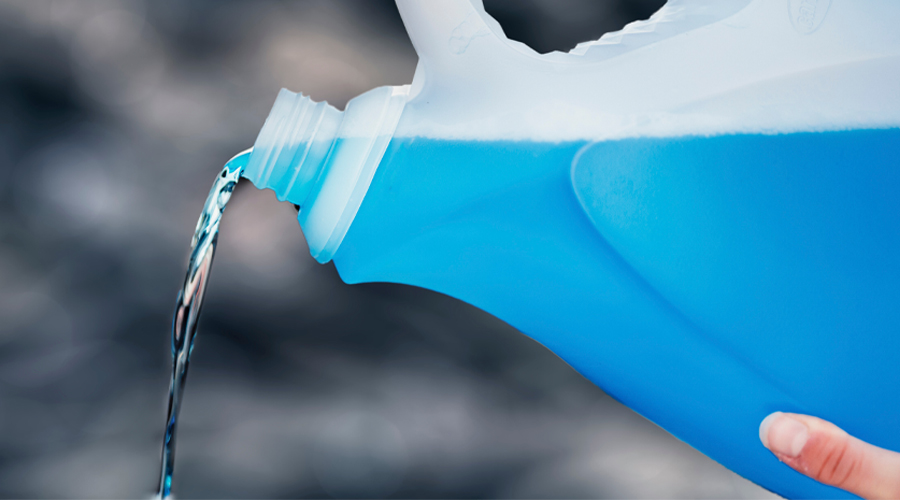
How to Dispose of Antifreeze
Learn how to safely and responsibly discard used antifreeze with our step-by-step guide.Byline: BTB Editor
March 19, 2026 / Time to read: 5 minAfter finishing a coolant flush on your vehicle, you're left with a half-empty container of used antifreeze. What should you do next?
Disposing of antifreeze improperly can cause significant environmental harm and
What Is Antifreeze?
How to Safely Dispose of Used Antifreeze
Always keep antifreeze out of reach from children and pets. When you’re ready to dispose of it, follow these guidelines.
Check your local regulations
Contain the antifreeze
Store used antifreeze in a clean, leak-proof container. Ideally, use the original antifreeze container. If you don’t have the original container, use another clean, durable plastic container with a clear label and tight-fitting lid. Check out the container specifications section below for more helpful guidelines.
Avoid mixing the antifreeze
Never mix antifreeze with other hazardous substances such as oil, gasoline or other automotive fluids. Mixing may cause dangerous chemical reactions and make disposal more complicated.
Transport the container safely
Make sure the container is securely closed and placed upright in your vehicle to prevent spills during transport. It’s also a good idea to place the container in a second, backup container, like a plastic bin, in case the antifreeze falls over or leaks.
Locate a disposal facility or collection event
Depending on where you live, you may have several antifreeze recycling or disposal locations to choose from. You can use
- Transfer stations
- Household hazardous waste facilities
- HHW collection events and program
You can also call your waste provider or local automotive service centers to see if they accept antifreeze or check your town’s website to view local HHW collection event schedules. For all options, you may be able to drop the antifreeze off during normal operating hours or need to schedule an appointment.
Dispose at the facility
Follow the facility’s instructions for dropping off the antifreeze. Some facilities may have designated areas or staff to assist with the disposal process.
Antifreeze Container Specifications
When storing used antifreeze, it’s best to keep it in the container it came in. If, for some reason, you need to transfer it (like in the case of a broken or leaking container), here’s what you should look for in a replacement container.
- Material: Use a container made of High-Density Polyethylene (HDPE). This type of plastic is durable, resistant to chemicals and commonly used for storing hazardous liquids. Use opaque or dark-colored containers to prevent sunlight from breaking down the antifreeze.
- UN approval: Look for containers that are UN-approved for transporting hazardous materials. These containers will have specific UN markings indicating their suitability for hazardous liquids.
- DOT specifications: Containers should comply with Department of Transportation (DOT) regulations for hazardous materials, helping ensure safe transport.
- Capacity: Choose a container size that matches the amount of used antifreeze you need to store. Common sizes range from 1 to 5 gallons. Larger containers are available for commercial purposes.
- Lid: The container should have a secure, airtight lid or cap with a rubber or silicone seal to prevent antifreeze from leaking, spilling and evaporating.
- Labels: Use containers with clearly marked labels to prevent accidental misuse. Or you can apply a “used antifreeze” label.
Why Proper Antifreeze Disposal Matters
Antifreeze, particularly when it contains ethylene glycol, is considered a hazardous substance. Beyond the hazards it poses if swallowed, inhaled or absorbed through skin, antifreeze can contaminate the environment.
- Water: Antifreeze poured down the drain can enter rivers, lakes and streams, contaminating drinking water sources and harming aquatic life.
- Soil: The chemicals in antifreeze can leach into the soil and contaminate groundwater, a source of drinking water for many communities.
- Air: Antifreeze can release volatile organic compounds into the air when spilled or improperly burned.
- Pets and wildlife: Ethylene glycol tastes sweet, which makes it especially dangerous to pets and wildlife. Even small amounts of antifreeze can be fatal to animals.
Common Mistakes to Avoid When Disposing of Antifreeze
When disposing of antifreeze, avoid these common mistakes.
- Pouring down the drain can contaminate water and harm aquatic life.
- Dumping on the ground can disrupt the local ecosystem and impact soil health.
- Burning releases toxic fumes and pollutants into the air.
- Mixing with other substances can lead to toxic or dangerous chemical reactions.
- Using improper containers can increase the risk of spills and exposure.
- Not labeling containers can lead to misuse, accidents or improper disposal.
- Ignoring local regulations can result in fines and legal penalties.
- Delaying disposal can increase the risk of container leaks and accidental exposure.
Safe and Responsible Antifreeze Disposal
Responsible antifreeze disposal is important for both the safety of our environment and public health. Before you toss your old antifreeze, be sure to follow these guidelines and understand common antifreeze storage and disposal errors.


