



Resource Center
How to Dispose of Gasoline Properly
Learn how to dispose of old gas properly with this helpful guide and FAQs.Byline: BTB Author
January 20, 2026 / Time to read: 5 minWhile gasoline is a valuable fuel source used to power cars, lawnmowers, boats and other equipment, it's also highly flammable and toxic. Improperly disposing of unused gasoline poses serious risks to both the environment and public health.
This article will help you understand when to toss old gas and how to dispose of old gas properly.
How to Check if Gas Should Be Disposed of
Pour some of the fuel into a clear glass container. In another container, pour some fresh gasoline to compare. Then, check the following factors to determine if your old gas needs to be disposed of.
1. Smell
When you poured the old gas, did you notice a sour smell? If so, it's likely stale and will need to be disposed of.
2. Color
If the old gas is noticeably darker than the fresh one, it has most likely aged to the point of being unusable.
3. Contamination
Can you see particles of rust, dirt or sediment floating around or settled on the bottom of the container? If so, the gasoline is contaminated and should not be used.
How to Prepare Old Gas for Disposal
If old gas is unusable, it's important to dispose of it correctly. For starters, never throw gasoline away in your trash or pour it down the drain. Instead, follow these steps:
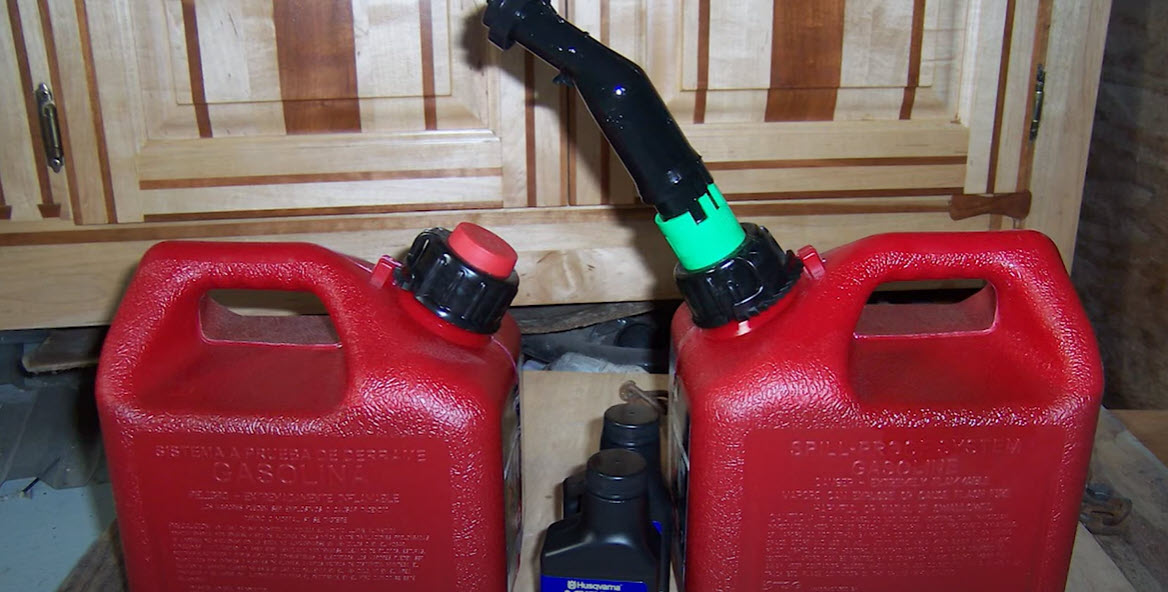
1. Source a container approved for gasoline
Purchase a gas container that's certified specifically for gasoline; ordinary plastic jugs or glass jars should not be used. You can find these containers at gas stations or automotive centers.
2. Choose a safe spot
Find a safe and secure place, like a garage, to prep your gas for disposal. It should be well-ventilated, and there should be no sources of heat, static electricity or open flame nearby.
3. Protect yourself
Put on a mask or respirator to minimize the amount of gasoline vapor you inhale.
4. Transfer the gas
Use a funnel and carefully transfer the old or contaminated gasoline from its present container to the new container. Pour slowly to prevent splashing or spilling and keep your face as far away as you can from the spout. After you finish pouring the old gasoline, close the container tightly. You can use the container multiple times until it's about 95% full.
5. Safely store the container
Until you're ready to dispose of your old gas, store the container in a cool, dry place that's not accessible to children or animals. Don’t leave the container outdoors because outside elements can deteriorate it.
6. Use a backup container
When you're ready to dispose of the old gas, place the container upright in a second receptacle, such as a large plastic bin or rubber cooler. This backup container is a safety net in case the gasoline container falls over or leaks.
Where to Bring Old Gas for Proper Disposal
Depending on where you live, you likely have several local options for safe gas disposal.
Recycling Centers
Many municipal recycling centers offer gasoline recycling and disposal. Contact your local government or the recycling center to ask about guidelines and schedules.
Hazardous Waste Disposal Facilities
These facilities treat old gasoline so it can be discarded safely and properly. Just like recycling centers, you may want to call ahead for disposal schedules.
Community Collection Events
Local government departments, businesses and organizations often hold recycling events. Make sure to check if gas is accepted.
Why Proper Gasoline Disposal Matters
Following proper disposal steps is crucial for several reasons:
- Gas is flammable
Even if it’s stale, gas is extremely flammable. Handling gasoline near heat sources, open fires or sources of ignition is dangerous. And since gasoline vapor mixes and spreads with air, gasoline-related fires can spread very quickly. If gas makes its way into regular trash, it has the potential to ignite. - Gas is toxic
Gasoline can make people sick if not handled or stored properly. - Irresponsible disposal can do long-lasting damage
Pouring gasoline down the drain contaminates water systems. In fact, a gallon of gasoline can contaminate as much as 750,000 gallons of water. And when gas seeps into soil, it can contaminate groundwater, damage plants and make animals sick.
Gasoline Disposal Regulations
According to the U.S. federal Environmental Protection Agency (EPA), gasoline is classified as a
- Ignitability: The propensity of a material to easily catch fire, combust or explode, even at ambient temperatures
- Toxicity: The propensity of a material to cause organ damage, injury or death when an organism ingests it or is exposed to it
Certain groups, including businesses and government agencies, must follow the disposal, management and handling regulations outlined by the
Gasoline Disposal FAQs
If you accidentally spill a small amount of gasoline on a hard surface, like your garage floor, use sawdust, rags or paper to absorb the spill. Put these in a plastic bag and don’t throw it in your household trash.
If you accidentally spill gasoline on soil, dig out the soil around the spilled area. Put the soil in a plastic bag and don't throw it in your household trash.
In both cases, contact a local hazardous waste facility and ask about collection or drop-off options.
Conclusion
While gasoline is a useful fuel, it’s also a dangerous chemical when not handled with care. Stick to the safety guidelines listed above to safely dispose of your old gas. For more helpful resources — and to find available services in your area — head to our


