



Resource Center
20 Simple Ways to Recycle Smarter and Reduce Waste
Reduce waste and recycle smarter with 20 simple tips, from choosing reusable products to improving recycling habits and cutting everyday waste.Byline: BTB Author
October 8, 2026 / Time to read: 5 minWhat you do with your waste matters. Recycling is an important step toward reducing landfill waste, but you can make an even greater impact by incorporating small changes to your daily routine.
Try these tips to reduce waste, conserve resources and become a more effective recycler.
Choose Reusable and Recyclable Packaging
Across the globe, consumers consider recyclability the
- Bring reusable shopping bags and refillable containers (where accepted) to brick-and-mortar stores.
- Check product labels to see whether products or packaging contain recycled content.
- Extend the life of recyclable materials by reusing cardboard boxes, packing paper and padded mailers when shipping an item.
Reduce Single-Use Items
Nearly
- Switch to a reusable water bottle (and don’t forget it at home!).
- Bring reusable water bottles and mugs to coffee shops and restaurants. Make sure to call ahead or check online to confirm your local shop accepts clean reusable cups.
- Opt out of disposable utensils and napkins when ordering takeout or delivery.
- Switch to cloth napkins and reusable cleaning wipes to cut down paper napkin and towel use.
- Use refillable containers, like soap dispensers and spray bottles, and purchase refill sizes of household products.
Go Digital When Possible
Across the globe, we’ve made great strides in reducing our reliance on paper. In the U.S, for example, first-class mail volume (which includes bills, statements, letters and large envelopes) has
- Adopt digital document storage to make files easier to organize and share.
- Minimize unnecessary printing by reviewing, sharing and signing documents digitally whenever possible.
- Opt for emailed receipts.
- Use online portals or apps for account management and bill pay.
Build Better Recycling Habits
More than
- Set up your recycling station in a central location, like the kitchen, garage, entryway or office break room.
- If you need to separate your recyclables by material type — like one bin for paper and cardboard and another for plastics and glass — use labels to make it easy for everyone to sort properly.
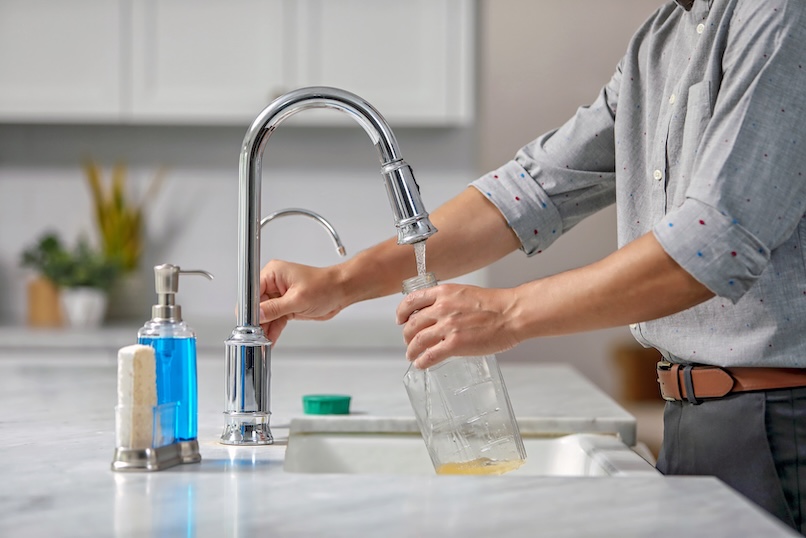
- Make sure bottles, jugs and tubs are
empty, clean and dry before placing them in your recycling bin. - Keep recyclables loose in your recycling bin. Don’t put them in a plastic bag.
- Keep
common contaminants , including flexible plastic packaging, plastic bags, foam takeout containers and food-soiled items, out of your recycling bin. - If you’re unsure whether an item is recyclable, check your local recycling guidelines or contact your provider. When it doubt, it’s best to throw an item out rather than risk contaminating an entire load of recyclables.
Smart Habits, Lasting Impact
Ready to make a big impact with less waste? Start with one new waste-reduction habit this week and build from there. Small changes add up over time.
For more recycling tips and guidance, check out our


